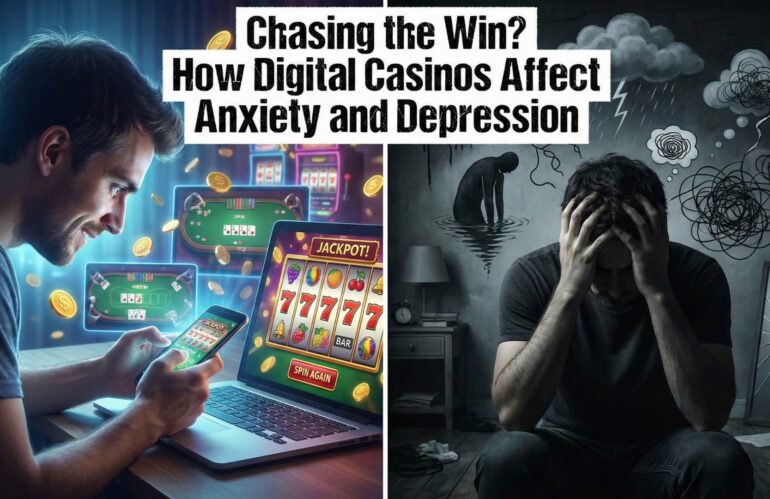
Digital casinos are everywhere now on your phone and laptop. You can gamble at 3am in your pajamas without leaving bed. This convenience comes with serious mental health costs. The relationship between online gambling and depression is getting worse fast.
Researchers are documenting alarming trends among regular digital casino users. Depression rates spike among people who gamble online weekly. Anxiety disorders appear even faster than depressive symptoms. The data shows patterns that traditional casinos never created.
The Dopamine Trap of Instant Access
Your brain releases dopamine when you anticipate a reward. Digital casinos trigger this response every few seconds. Slot spins happen faster online than in physical casinos. This speed creates addiction pathways that form incredibly quickly.
Traditional slot machines deliver about six spins per minute. Online slots can hit 20 spins in the same timeframe. Your brain doesn’t have time to process losses properly. The dopamine system stays activated in an unhealthy loop.
This constant stimulation exhausts your brain’s reward system. Normal activities stop producing pleasure because they can’t compete. Food, hobbies, and social interaction feel boring by comparison. You’ve trained your brain to need extreme stimulation constantly.
Depression often follows when the dopamine well runs dry. Your brain chemistry becomes dependent on gambling’s artificial highs. Regular life feels gray and meaningless without those spikes. This is clinical anhedonia caused by overstimulation.
Isolation Multiplies the Damage
Online gambling happens alone in your room or office. You don’t interact with other humans during play. This isolation feeds depression in ways physical casinos don’t. Social connection normally buffers against mental health decline.
Physical casinos force some level of human contact. You see dealers, other players, and casino staff regularly. These brief interactions maintain minimal social engagement. Online gambling removes even these small connections completely.
Studies show that isolated gambling correlates with faster addiction development. You have no social feedback about your behavior. Friends can’t see you’re spending six hours daily on slots. The secrecy enables denial and accelerates mental health decline.
Depressed people often isolate themselves as a symptom. Online gambling makes this isolation worse through a vicious cycle. You withdraw to gamble which increases depression. The depression drives more gambling to feel something. The loop tightens until intervention becomes necessary.
The Anxiety of Constant Availability
Digital casinos never close and they’re always accessible. This creates perpetual temptation that traditional gambling never offered. You can’t escape the option to gamble anymore. The constant availability generates its own anxiety.
Problem gamblers report intrusive thoughts about gambling throughout the day. They know they can play instantly from anywhere. This awareness creates persistent low-level anxiety. The mental effort to resist becomes exhausting.
Many users gamble specifically to reduce anxiety temporarily. The irony is that gambling generates more anxiety overall. You worry about losses, chasing wins, and hiding behavior. The anxiety relief lasts minutes while new anxiety lasts hours.
Financial anxiety from online gambling losses is particularly brutal. You can lose thousands in minutes without physical cash. Credit cards and digital wallets hide the reality. The anxiety hits when you check your bank balance later.
Warning Signs of Gambling-Related Mental Health Decline
- Sleeping less than six hours because you’re gambling late
- Skipping meals or forgetting to eat during gambling sessions
- Feeling irritable or restless when you can’t gamble
- Using gambling to escape negative emotions consistently
- Lying to friends and family about time spent gambling
- Experiencing panic attacks related to gambling losses
The Illusion of Control and Skill
Digital casinos use clever design to suggest skill matters. They show near-misses that feel like you almost won. Bonus rounds create the illusion you’re advancing somewhere. These features are purely cosmetic but they trick your brain.
Believing you have control when you don’t causes specific anxiety. You feel responsible for losses that are mathematically predetermined. This false responsibility generates guilt and shame. The emotional burden becomes crushing over time.
Depressed gamblers often believe one big win will fix everything. They chase this fantasy despite mounting evidence against it. The cognitive distortion feeds both the gambling and the depression. Reality can’t penetrate the delusion they’ve constructed.
Some games add strategy elements to disguise pure chance. Poker apps mix skill with random card distribution. Players attribute wins to skill and losses to bad luck. This thinking pattern prevents learning and maintains false hope.
Financial Ruin as Depression Accelerator
Money problems from gambling destroy mental health faster than anything. People lose savings, max out credit cards, and borrow recklessly. The financial hole deepens while the gambling continues. Depression and anxiety skyrocket when bills can’t be paid.
Digital casinos make losing large amounts incredibly easy. You’re not handling physical chips that represent real money. Numbers on a screen feel abstract and less real. This psychological distance enables catastrophic losses.
The shame of financial problems drives secrecy and isolation. Gamblers hide statements and avoid conversations about money. They make up stories to explain missing funds. The lying compounds the depression they’re already experiencing.
Some people gamble away rent money or their kids’ college funds. The guilt from these actions creates severe depression. They know they’ve harmed people they love. The self-hatred becomes unbearable but the gambling continues.
Sleep Disruption and Mental Health Collapse
Online gambling disrupts sleep patterns more than physical casino visits. You can play until 5am on a work night. The blue light from screens suppresses melatonin production. Poor sleep directly worsens both anxiety and depression.
Many problem gamblers report sleeping only three to four hours nightly. They gamble late then wake up thinking about losses. The sleep deprivation impairs judgment and emotional regulation. This makes responsible gambling decisions nearly impossible.
Anxiety keeps gamblers awake replaying sessions mentally. They analyze what went wrong and plan recovery strategies. Their minds race with financial worries and regrets. Quality sleep becomes impossible even when they try.
Depression often includes early morning waking and rumination. Gamblers wake at 4am thinking about their losses. They can’t fall back asleep because anxiety is too high. The exhaustion makes everything worse during waking hours.
The Chasing Behavior That Never Ends
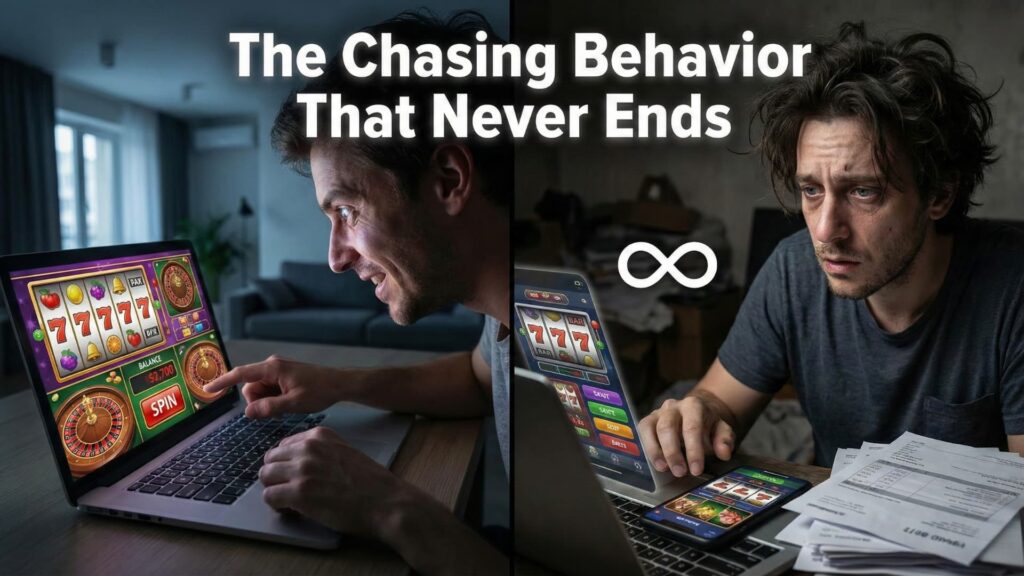
Chasing losses is when you gamble more to recover money lost. This behavior is central to gambling addiction. Digital casinos make chasing easier than ever before. You can instantly deposit more money and keep playing.
Chasing creates a specific type of anxiety and desperation. You feel you must win back what you lost today. The urgency overrides all rational thinking. Each additional loss makes the desperation worse.
Depression sets in when chasing fails repeatedly. You realize you’ve dug the hole deeper instead of climbing out. The hopelessness becomes overwhelming. Some people experience suicidal thoughts at this stage.
The cycle repeats because hope springs eternal in gamblers’ minds. Tomorrow might bring the winning streak that fixes everything. This fantasy prevents accepting reality and seeking help. The mental health deterioration continues unchecked.
Bonus Systems That Exploit Vulnerability
Digital casinos use sophisticated bonus systems to hook players. Free spins, deposit matches, and loyalty rewards seem generous. They’re actually designed to increase play time and losses. These systems exploit people with existing mental health issues.
Bonuses come with wagering requirements that trap players. You must bet the bonus amount 30 or 40 times before withdrawing. This keeps you playing far longer than intended. The extended sessions worsen anxiety and depression.
VIP programs make problem gamblers feel special and valued. They get personal account managers who encourage more play. This fake relationship fills a void for lonely people. It’s manipulation disguised as customer service.
Loss-back offers give you bonus money after losing streaks. This seems kind but it actually encourages continued gambling. You chase the loss-back threshold by losing more money. The feature enables destructive behavior while seeming helpful.
Conclusion: The Digital Gambling Mental Health Crisis
Digital casinos create a perfect storm for mental health destruction. Constant access plus isolation plus financial ruin equals catastrophe. The anxiety and depression that result are not coincidental. They’re predictable outcomes of the business model these platforms use.
The gambling industry knows exactly what it’s doing. They’ve studied psychology and neuroscience to maximize engagement. Your mental health isn’t their concern because sick players are profitable. They’ll never voluntarily change these predatory practices.
Protection requires awareness and honest self-assessment. If you’re gambling online more than occasionally you’re at risk. The signs of trouble appear gradually then accelerate suddenly. Early intervention prevents the worst outcomes.
Mental health always matters more than chasing any win. No jackpot justifies the depression and anxiety these platforms cause. Your brain chemistry is too valuable to sacrifice for corporate profits. Recognize the trap before it closes completely around you.